

On a recent episode of Building Better Communities, Brighton Capital Advisors’ Managing Partner Michael Cohen sat down with Bob Hart, CEO of TruAmerica Multifamily, and Andrew Kirsh, Co-Chairman of Sklar Kirsh LLP, to discuss the evolving commercial real estate financing environment. The conversation traced the origins of commercial mortgage-backed securities (CMBS), examined the structural challenges borrowers face today, and highlighted how Brighton Capital Advisors helps clients navigate complex loan workouts and modifications
“I was there before CMBS was even called CMBS.”
– Michael Cohen, Brighton Capital Advisors
Highlights from the Video
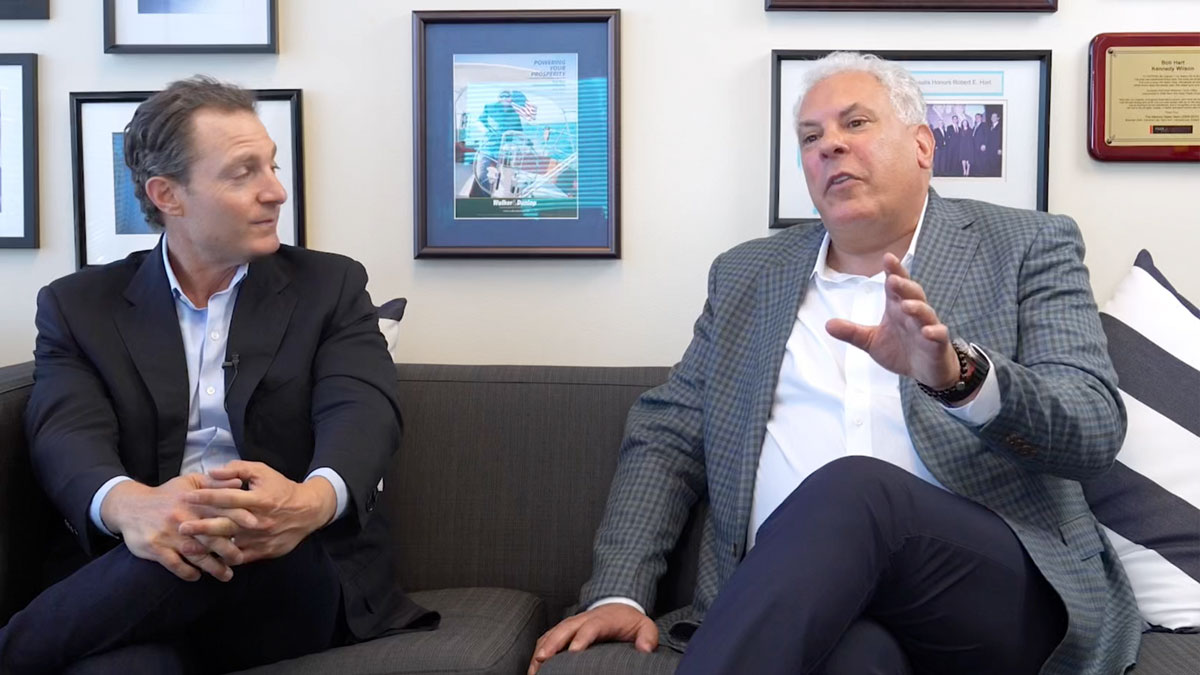
“Get to us 6 to 9 months prior to your loan maturity.”
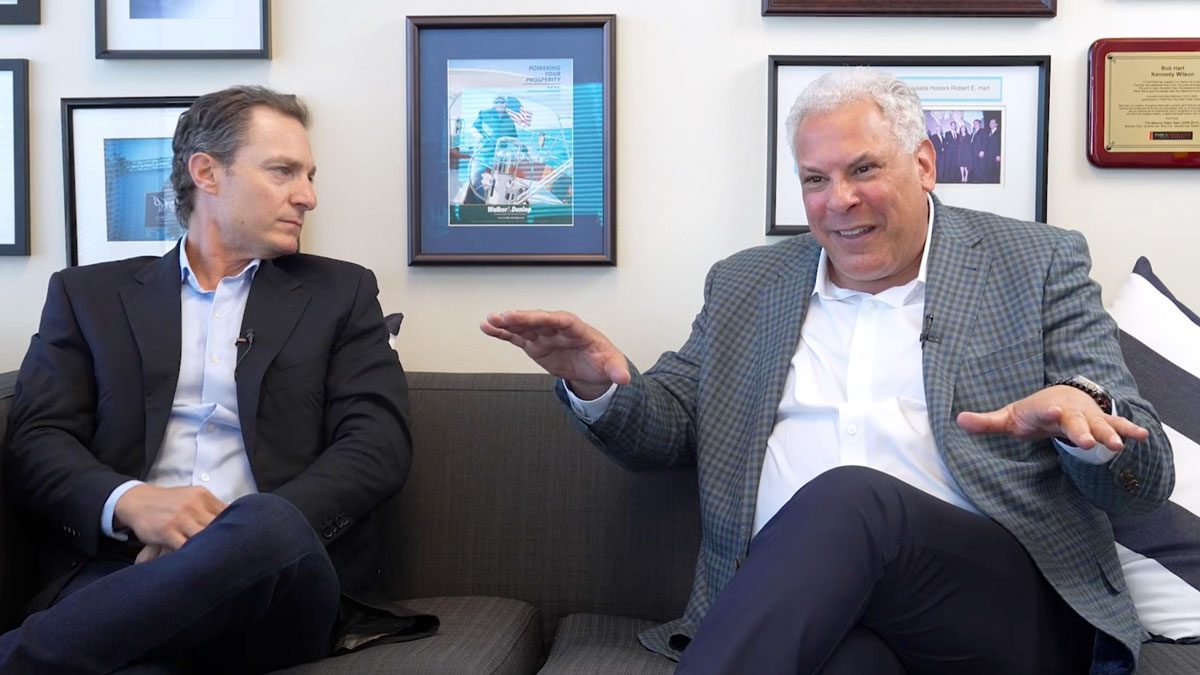
“There are no programatic solutions right now.”
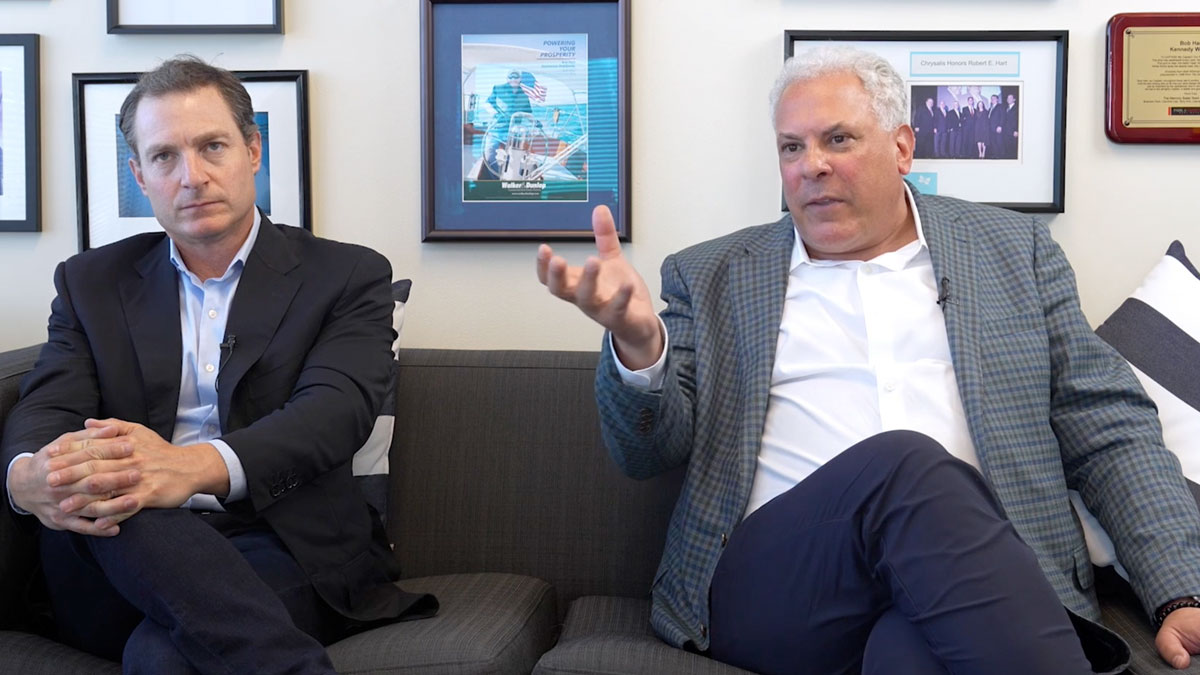
“You’re dealing with inflexibility.”
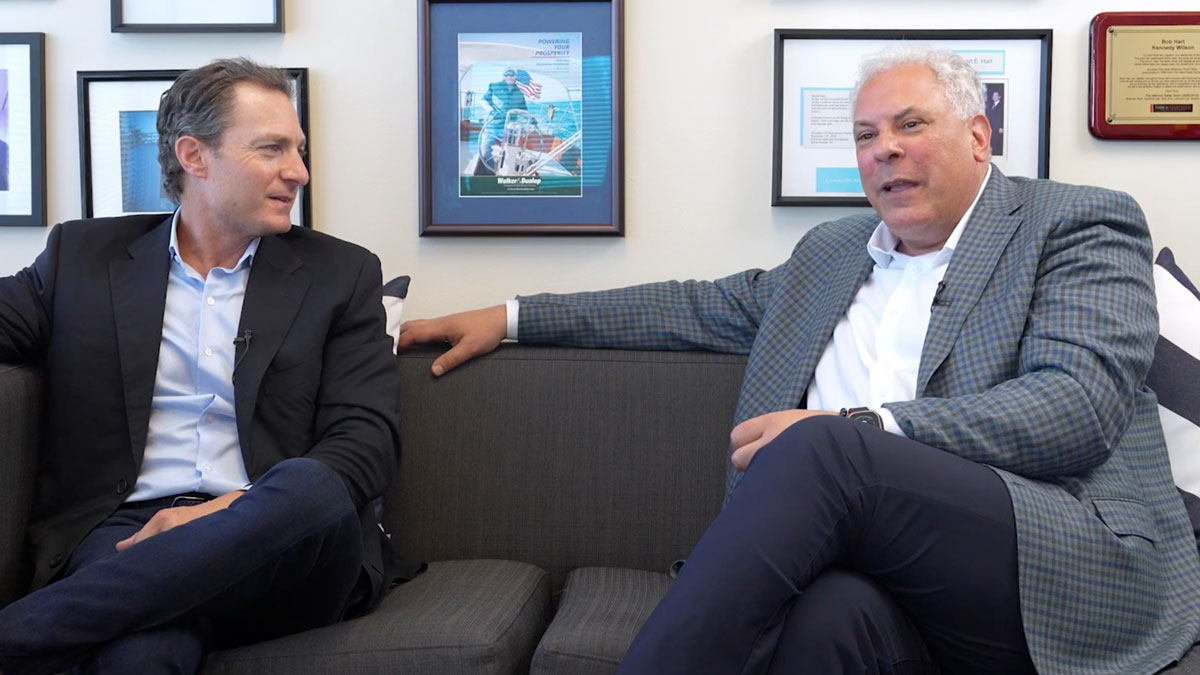
“Special Servicers aren’t the villain.”
From the Early Days of CMBS to Today’s Market
Michael Cohen has spent more than three decades in CMBS, beginning in the early 1990s at the tail end of the savings and loan crisis. At that time, securitization emerged as a Wall Street innovation to move distressed assets off bank balance sheets. Packaging loans into pools diversified risk, creating opportunities for institutional investors while giving borrowers access to capital they might not have otherwise obtained.
As Cohen recalled, “I was there before CMBS was even called CMBS.” That formative experience, securitizing loans from the Resolution Trust Corporation, shaped his understanding of both the potential and the pitfalls of the structure. Over time, CMBS became an established part of the capital markets, providing long-term, non-recourse financing that appealed to many borrowers.
But as the interview highlighted, what made CMBS attractive then, the stability and scale of the securitization model, also contributes to its rigidity today.
The Challenge of Servicing and Communication
Cohen emphasized that CMBS was built to be a static system: “You make your loan payments, you pay off the loan, and you go away.” That rigidity creates major obstacles when borrowers face distress and need flexibility, or a there is a structural change in the markets, like Covid. Unlike relationship-driven lending from banks or insurance companies, CMBS servicing operates through layers of intermediaries: master servicers, special servicers, and controlling class holders.
This structure makes even basic communication difficult. Borrowers often find themselves dialing into what Cohen described as “effectively 1-800 mortgage,” with no clear path to decision-makers. Servicers, meanwhile, operate under pooling and servicing agreements that define their authority, compensation, and obligations.
Special servicers, in particular, play a pivotal role. Often aligned with investors holding the riskiest “B-piece” of a securitization, their incentives can diverge from borrowers. Fees accrue while loans remain in special servicing, creating frustration for property owners seeking timely resolutions.
Why Brighton Capital Advisors Exists
This complex ecosystem is where Brighton Capital Advisors steps in. As Cohen explained, Brighton functions as both advisor and advocate, bridging the gap between borrowers, their counsel, and the opaque servicing world.
“We want to level the playing field,” Cohen said. “When a borrower and their attorney step into negotiations, they need someone across the table who’s been on the other side and understands exactly how the servicers think.”
Brighton’s team includes professionals with decades of direct CMBS lending and special servicing experience. That insider knowledge allows the firm to anticipate obstacles, prepare comprehensive workout proposals, and ensure that borrowers’ submissions are complete from the start. This is critical in an environment where a missing document can set negotiations back weeks.
Equally important, Brighton insists that clients work with qualified legal counsel. Cohen stressed that Brighton will not take on a borrower without a lawyer at their side. “We have a (sic) responsibility to protect our clients,” he said, “and that means making sure legal risks, including recourse exposure, are fully understood before we move forward (in negotiations with servicer).”
Timing Is Everything
A recurring theme in the conversation was timing. Both Cohen and Kirsh cautioned borrowers not to wait until maturity or default looms before seeking help.
“Get to us six to nine months prior to your loan maturity,” Cohen advised. The process is slow by design, with multiple parties needing to review and approve proposals. Early engagement allows time to craft a compelling business plan and avoid the loss of leverage that comes once a pre-negotiation letter is signed.
In today’s environment, where CMBS delinquency rates are at their highest levels in two decades, timing is even more critical. With special servicers overwhelmed by rising volumes, borrowers who present well-prepared, fully documented proposals stand the best chance of reaching favorable outcomes.
Lessons from Past Crises
The discussion also put current market challenges into historical context. Cohen compared the savings and loan crisis of the early 1990s, the Great Financial Crisis of 2008, and the post-COVID interest rate crisis the industry faces today.
Unlike prior liquidity-driven downturns, today’s stress stems from higher rates and constrained bank balance sheets. Post Covid loan extensions and increasing loan maturities are creating a tsunami wave of maturities, with billions of CMBS in loans coming due in the fourth quarter of this year alone. Many of these loans cannot support refinancing at today’s doubled interest rates, forcing owners to either inject fresh equity or pursue modifications.
For Cohen, the key takeaway is that every cycle is different, and every workout is bespoke. “There are no programmatic solutions,” he said. “What works in one situation won’t work in another. You need experienced advisors who understand the nuances of the market, the servicers, and the documents.”
Looking Ahead
Despite the challenges, Cohen sees reasons for cautious optimism. Leasing velocity is beginning to stabilize in some markets, with demand for Class A and well-positioned Class B assets showing signs of life. But success will depend on creativity, preparation, and realism.
Brighton Capital Advisors remains committed to guiding borrowers through this uncertain terrain. By combining deep CMBS expertise with hands-on advocacy, the firm helps clients preserve value, protect their investments, and chart a path forward, even in the most complex situations.
As Cohen summed it up: “Hope is not an action. What we do is educate our clients, remove as many risks as possible, and help them make informed decisions. That’s how you survive in this market.”
Or choose your podcast service: